March 2025: Measles Cases Reported Among Unvaccinated Children in Nigeria
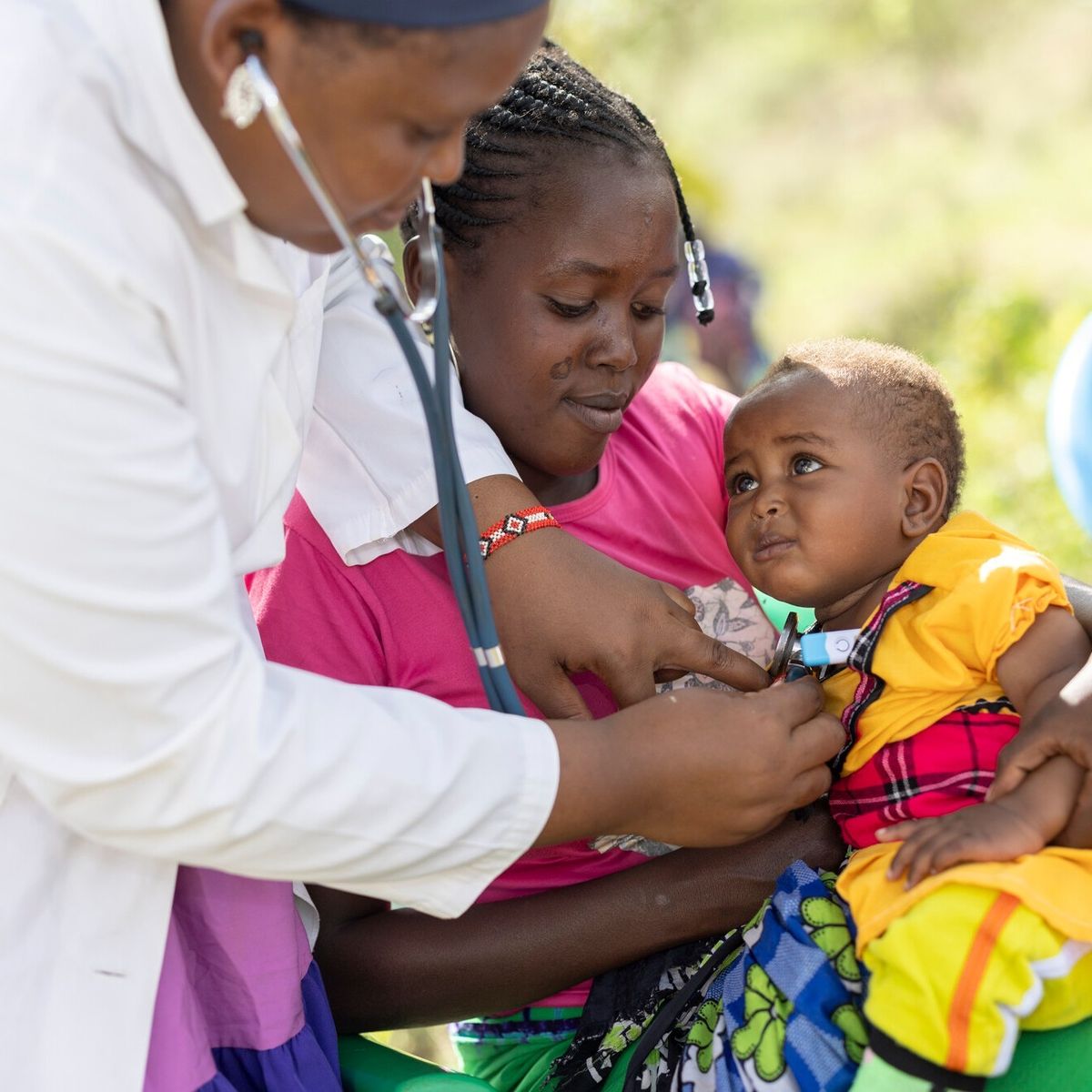
Health workers at a local primary clinic recorded an unusual increase in pediatric visits. Several children presented with fever, cough, and fatigue. At the time, symptoms were consistent with common viral infections seen during the dry season.
By March 14, clinic staff began noticing a pattern. More children were returning with worsening symptoms, including rashes and persistent high fever. Attendance at nearby schools dropped noticeably, with teachers reporting multiple absences across several classes.
On March 17, 2025, at 9:40 a.m., laboratory confirmation identified the cause: measles.
Early Findings
Between March 17 and March 22, confirmed and suspected cases continued to rise. Most affected children were between 2 and 9 years old.
A review of clinic records revealed a critical detail — the majority of affected children had not received routine measles vaccinations. Interviews with parents and caregivers showed that this was not due to refusal, but to limited access.
The nearest vaccination center was located several kilometers away and operated on irregular schedules. Earlier in the year, planned immunization days had been postponed due to supply shortages, leaving many children unprotected.
How Wishful Is Responding
Wishful works alongside local partners to strengthen preventive healthcare in underserved communities.
In response to situations like this, support focuses on:
Improving access to routine childhood vaccinations
Supporting health education for parents and caregivers
Strengthening local clinics with basic supplies
Helping children safely return to school after illness
The goal is not only to respond to outbreaks, but to reduce the risk of future ones.
By March 14, clinic staff began noticing a pattern. More children were returning with worsening symptoms, including rashes and persistent high fever. Attendance at nearby schools dropped noticeably, with teachers reporting multiple absences across several classes.
On March 17, 2025, at 9:40 a.m., laboratory confirmation identified the cause: measles.
Early Findings
Between March 17 and March 22, confirmed and suspected cases continued to rise. Most affected children were between 2 and 9 years old.
A review of clinic records revealed a critical detail — the majority of affected children had not received routine measles vaccinations. Interviews with parents and caregivers showed that this was not due to refusal, but to limited access.
The nearest vaccination center was located several kilometers away and operated on irregular schedules. Earlier in the year, planned immunization days had been postponed due to supply shortages, leaving many children unprotected.
How Wishful Is Responding
Wishful works alongside local partners to strengthen preventive healthcare in underserved communities.
In response to situations like this, support focuses on:
Improving access to routine childhood vaccinations
Supporting health education for parents and caregivers
Strengthening local clinics with basic supplies
Helping children safely return to school after illness
The goal is not only to respond to outbreaks, but to reduce the risk of future ones.
Help Protect Children From Preventable Diseases like measles
Your support provides vaccines, medical supplies, and health education to children at risk of preventable illnesses like measles. Every contribution ensures that more children stay healthy, safe, and able to grow without fear of preventable disease.
Donate Now