From Contaminated Streams to Clean Taps: Restoring Hope Through Safe Water in Rural Kogi State
Every morning, children walked long distances with plastic containers balanced on their heads. Instead of preparing for school, they waited in line at the stream. Mothers worried constantly not just about the time lost, but about what the water might carry home.
Waterborne diseases such as cholera, typhoid, and diarrhea became common in the community. Children frequently fell ill. Some missed weeks of school. Parents spent scarce income on medication instead of food or farming tools. What should have been a basic necessity had become a cycle of sickness and hardship.
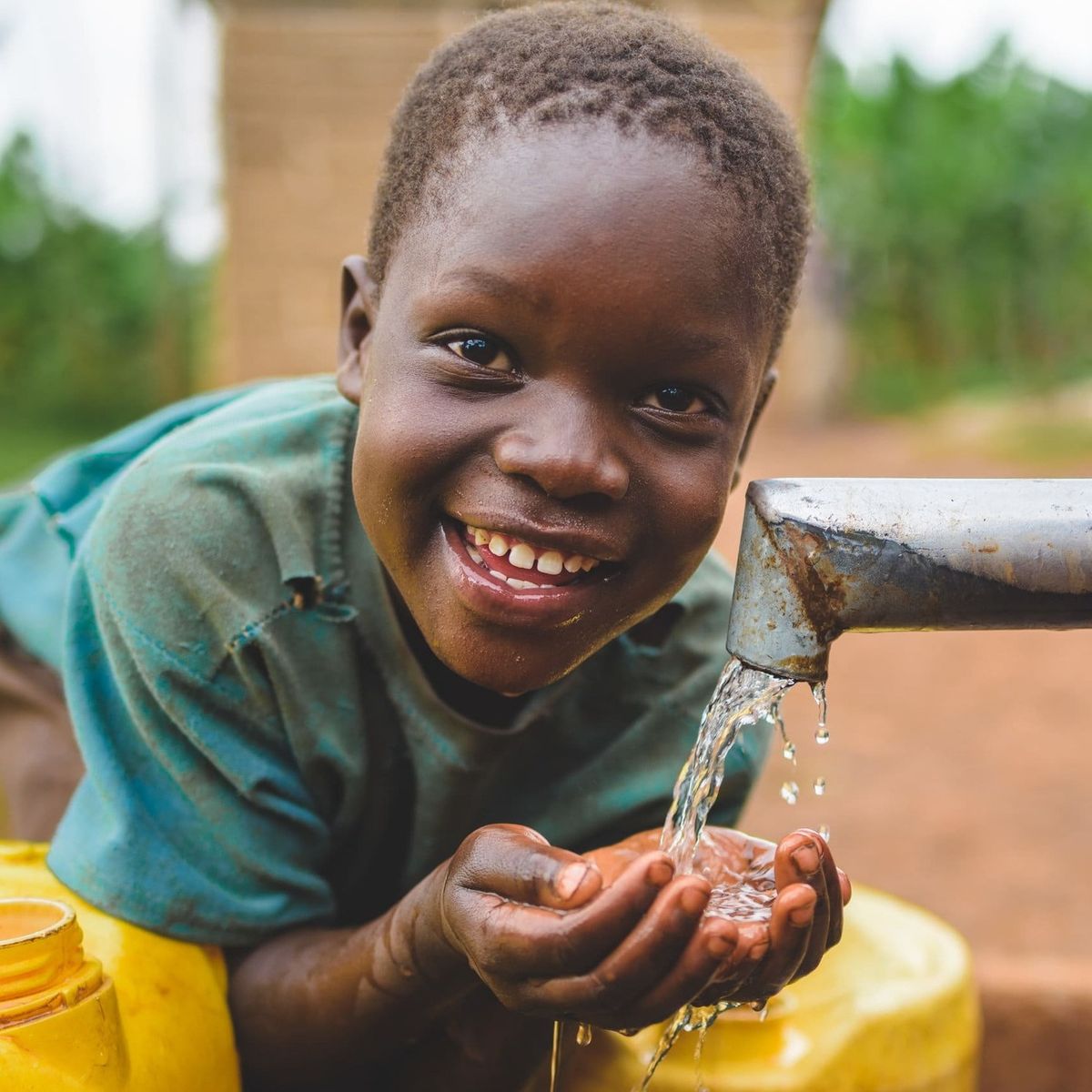
Everything began to change when a community-driven intervention focused on building a pipe-borne water system. After careful assessment and collaboration with local leaders, a borehole was drilled and connected to a simple but reliable distribution system. Clean water now flows through protected pipes into accessible collection points within the village.
Alongside the infrastructure, health education sessions were organized to teach families about hygiene practices, safe water storage, and sanitation. Basic treatment support was also provided for those already suffering from waterborne illnesses.
Today, the transformation is visible.
Children spend more time in school instead of at the stream. Medical visits related to contaminated water have significantly reduced. Families are healthier, productivity has improved, and the dignity of safe living has been restored.
Clean water is more than convenience it is life, health, education, and opportunity. In this village in Kogi State, access to safe water has broken a long-standing cycle of disease and vulnerability.
But many rural communities across Nigeria are still waiting.
Waterborne diseases such as cholera, typhoid, and diarrhea became common in the community. Children frequently fell ill. Some missed weeks of school. Parents spent scarce income on medication instead of food or farming tools. What should have been a basic necessity had become a cycle of sickness and hardship.
Everything began to change when a community-driven intervention focused on building a pipe-borne water system. After careful assessment and collaboration with local leaders, a borehole was drilled and connected to a simple but reliable distribution system. Clean water now flows through protected pipes into accessible collection points within the village.
Alongside the infrastructure, health education sessions were organized to teach families about hygiene practices, safe water storage, and sanitation. Basic treatment support was also provided for those already suffering from waterborne illnesses.
Today, the transformation is visible.
Children spend more time in school instead of at the stream. Medical visits related to contaminated water have significantly reduced. Families are healthier, productivity has improved, and the dignity of safe living has been restored.
Clean water is more than convenience it is life, health, education, and opportunity. In this village in Kogi State, access to safe water has broken a long-standing cycle of disease and vulnerability.
But many rural communities across Nigeria are still waiting.
Support Title: Bring Clean Water to a Village in Need
Your support can help construct boreholes, install pipe-borne water systems, and provide essential water treatment solutions in underserved communities.
A single water project does more than provide clean drinking water. It prevents disease, reduces child mortality, improves school attendance, supports women’s economic activities, and restores community dignity.