Learning After the Attack: Restoring Education for Displaced Children in Kwara State
In parts of Kwara State, Nigeria, recent insecurity and violent attacks have forced families to flee their homes overnight. What was once a peaceful community became a place of fear and uncertainty. Homes were abandoned, livelihoods disrupted, and schools left empty.
For children, the impact has been especially devastating.
Classrooms that once echoed with laughter and recitation now stand silent. Exercise books were left behind in the rush to escape. Uniforms were lost. Dreams were interrupted.
Many displaced families are now living in temporary shelters, relying on community support and humanitarian assistance. In these conditions, education often becomes a secondary concern—not because it is unimportant, but because survival comes first.
Yet education is precisely what these children need most.
When a child’s sense of safety is shaken, school can provide stability. A classroom offers structure, emotional support, and a reminder that the future still exists beyond the trauma. Without access to learning, displaced children risk falling permanently behind, increasing their vulnerability to exploitation, child labor, or early marriage.
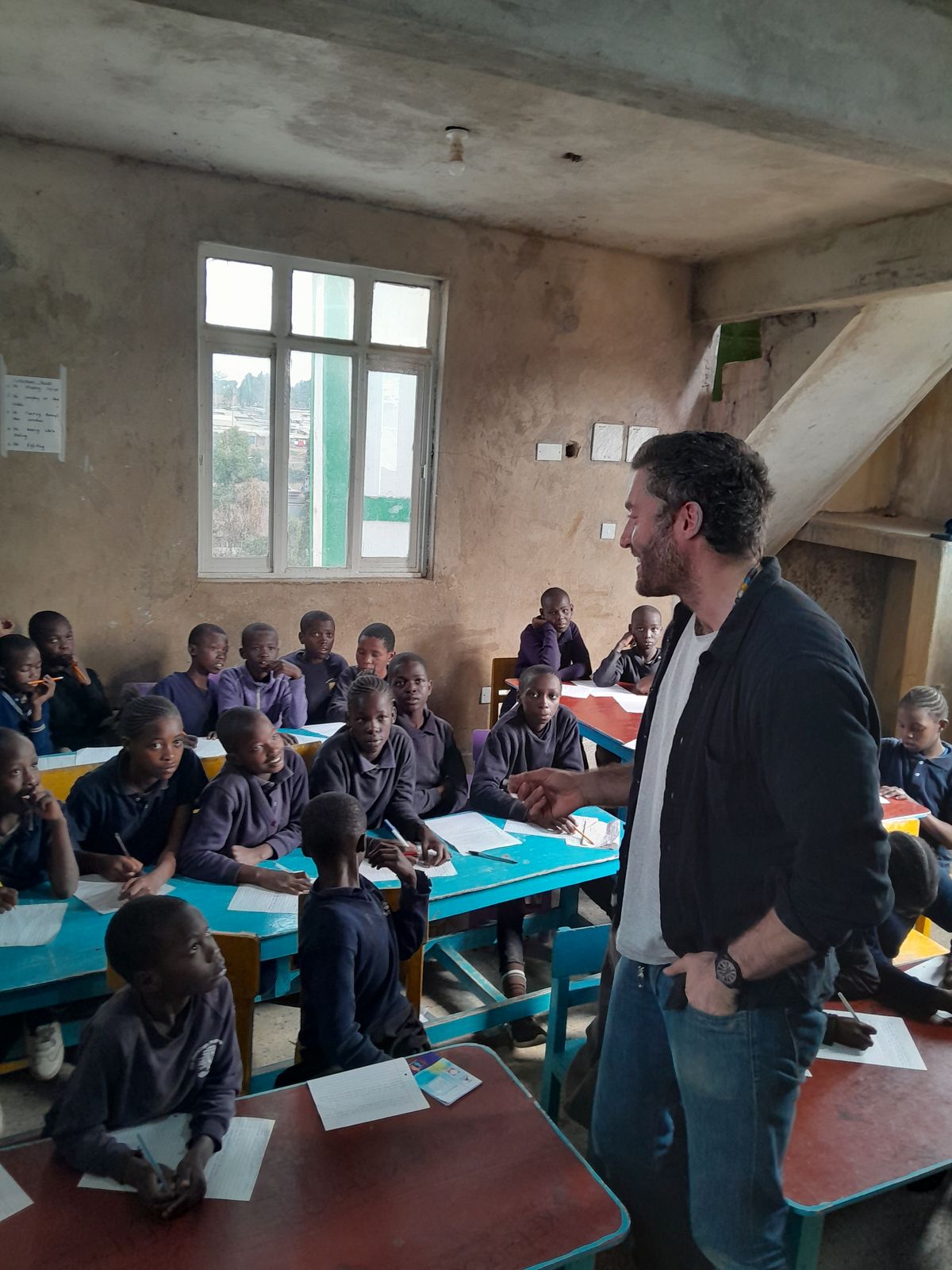
Community leaders and local partners have begun working to establish temporary learning spaces, distribute educational materials, and provide psychosocial support to affected children. Volunteer teachers are stepping forward. Parents are eager for their children to regain a sense of normalcy.
But the need remains urgent.
Restoring education after displacement is not just about rebuilding classrooms—it is about rebuilding confidence, hope, and opportunity. It is about ensuring that violence does not steal a generation’s future.
The children of Kwara State deserve more than survival. They deserve continuity, safety, and the chance to learn again.
For children, the impact has been especially devastating.
Classrooms that once echoed with laughter and recitation now stand silent. Exercise books were left behind in the rush to escape. Uniforms were lost. Dreams were interrupted.
Many displaced families are now living in temporary shelters, relying on community support and humanitarian assistance. In these conditions, education often becomes a secondary concern—not because it is unimportant, but because survival comes first.
Yet education is precisely what these children need most.
When a child’s sense of safety is shaken, school can provide stability. A classroom offers structure, emotional support, and a reminder that the future still exists beyond the trauma. Without access to learning, displaced children risk falling permanently behind, increasing their vulnerability to exploitation, child labor, or early marriage.
Community leaders and local partners have begun working to establish temporary learning spaces, distribute educational materials, and provide psychosocial support to affected children. Volunteer teachers are stepping forward. Parents are eager for their children to regain a sense of normalcy.
But the need remains urgent.
Restoring education after displacement is not just about rebuilding classrooms—it is about rebuilding confidence, hope, and opportunity. It is about ensuring that violence does not steal a generation’s future.
The children of Kwara State deserve more than survival. They deserve continuity, safety, and the chance to learn again.
Help Displaced Children in Kwara Return to School
Your support can help provide temporary learning centers, school supplies, uniforms, and emotional support services for children affected by insecurity in Kwara State.
Donate Now